Wondering what it’s really like to live in Shreveport, Louisiana? If you are weighing a move, planning a relocation, or simply trying to decide whether Shreveport fits your lifestyle, it helps to look beyond a map and get a feel for daily life. From commute times and housing styles to outdoor spaces and local events, here’s a practical look at what you can expect if Shreveport is on your list. Let’s dive in.
Shreveport at a Glance
Shreveport is a mid-sized city with a distinct river-city feel. According to the U.S. Census QuickFacts for Shreveport, the city had an estimated population of 176,578 in July 2024.
The broader Shreveport-Bossier area is described by the local tourism bureau as a metro of about 350,000 people, which gives you access to more dining, events, and services without the scale of a much larger market. In day-to-day life, that often means you can enjoy a variety of amenities while still keeping errands and commutes manageable.
Another practical detail many buyers care about is time on the road. Census data shows a mean travel time to work of 18.8 minutes, which points to relatively short everyday drives compared with many larger cities.
Daily Life Feels Manageable
One of the biggest lifestyle advantages in Shreveport is pace. The city offers a mix of established neighborhoods, shopping corridors, downtown destinations, and outdoor access, but it still tends to feel easier to navigate than a major metro.
The Red River plays a central role in how the area is laid out. Shreveport and Bossier City are closely connected, and the river acts as both a landmark and a link between the two sides of the metro.
If you are moving from a busier market, Shreveport may feel more approachable in terms of traffic, trip times, and overall routine. If you already live in Northwest Louisiana, that can translate into a lifestyle where work, errands, dining, and recreation stay within a comfortable range.
Housing in Shreveport
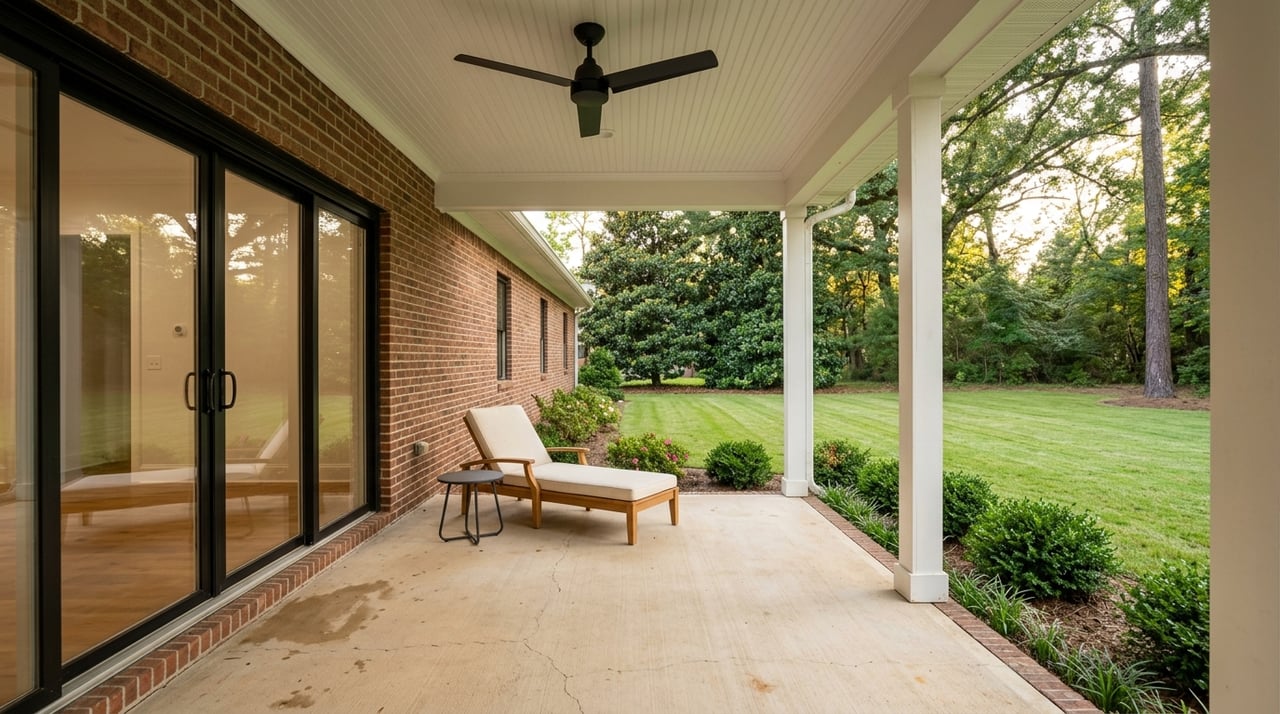
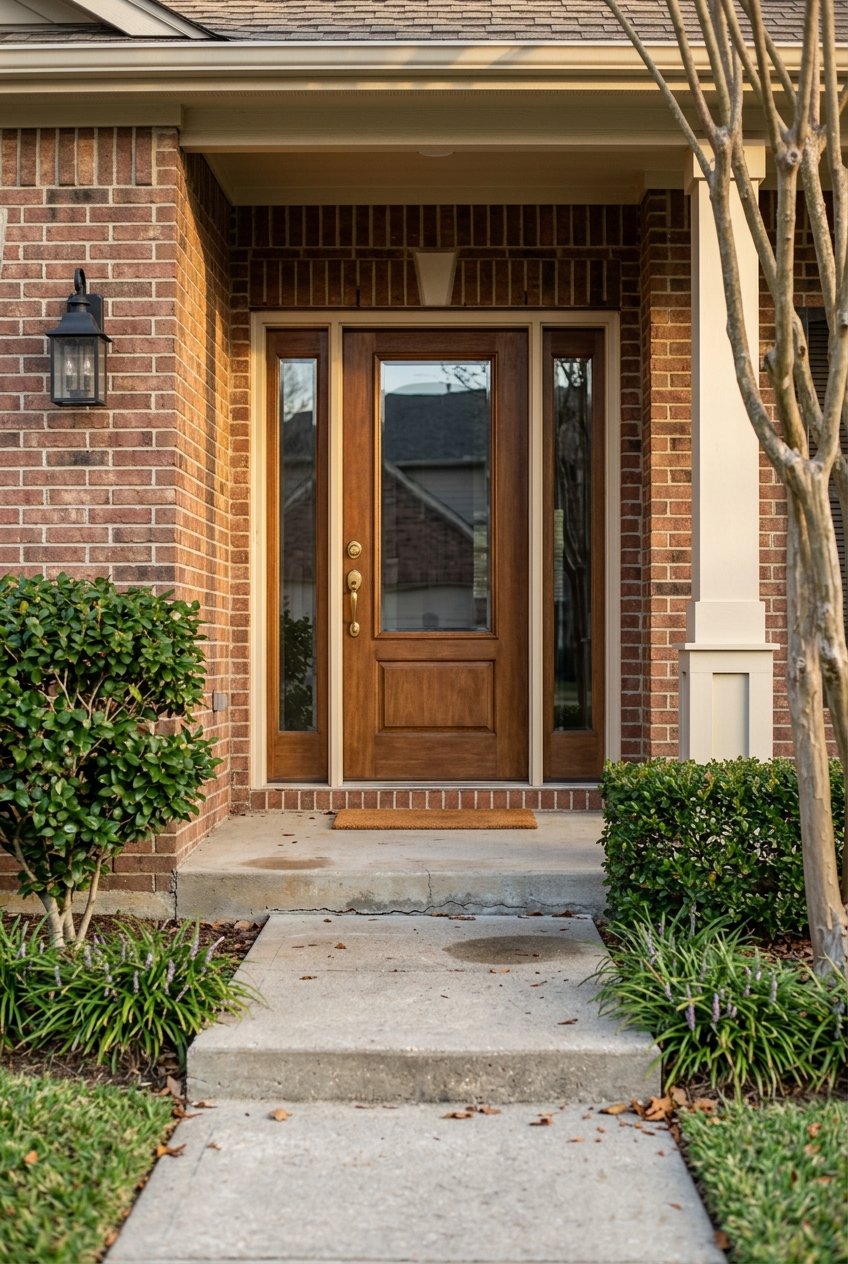
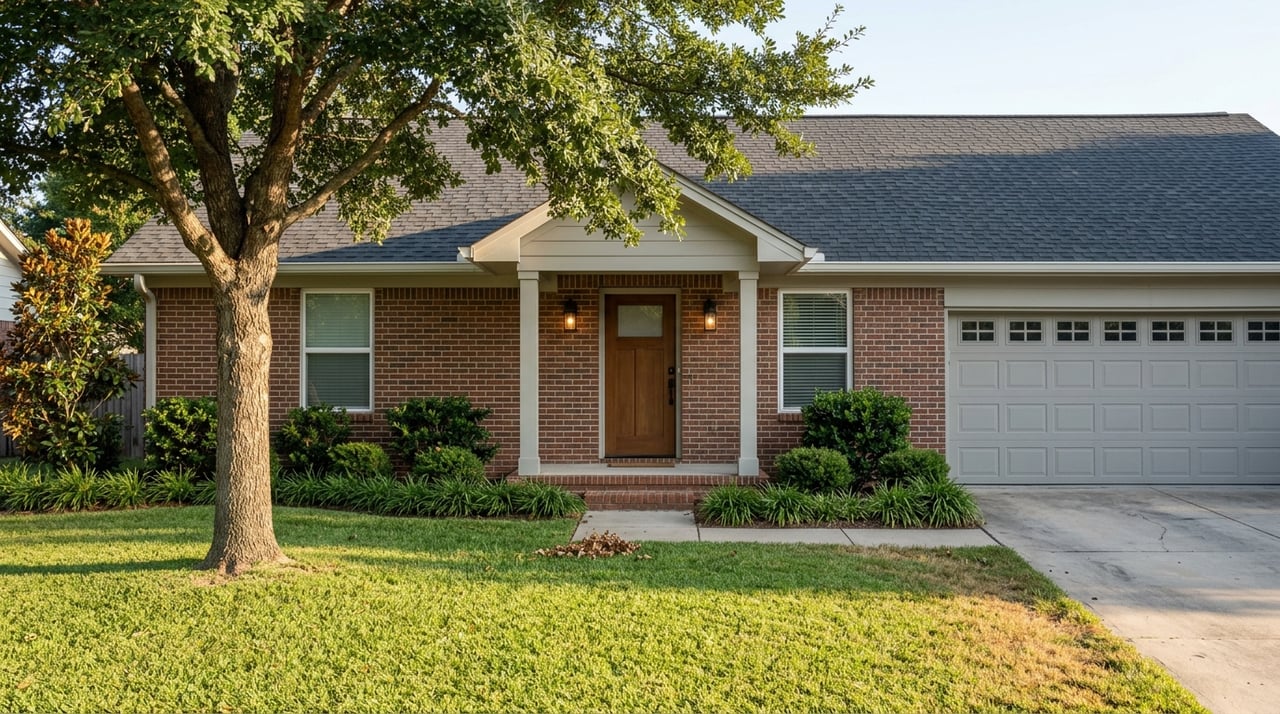
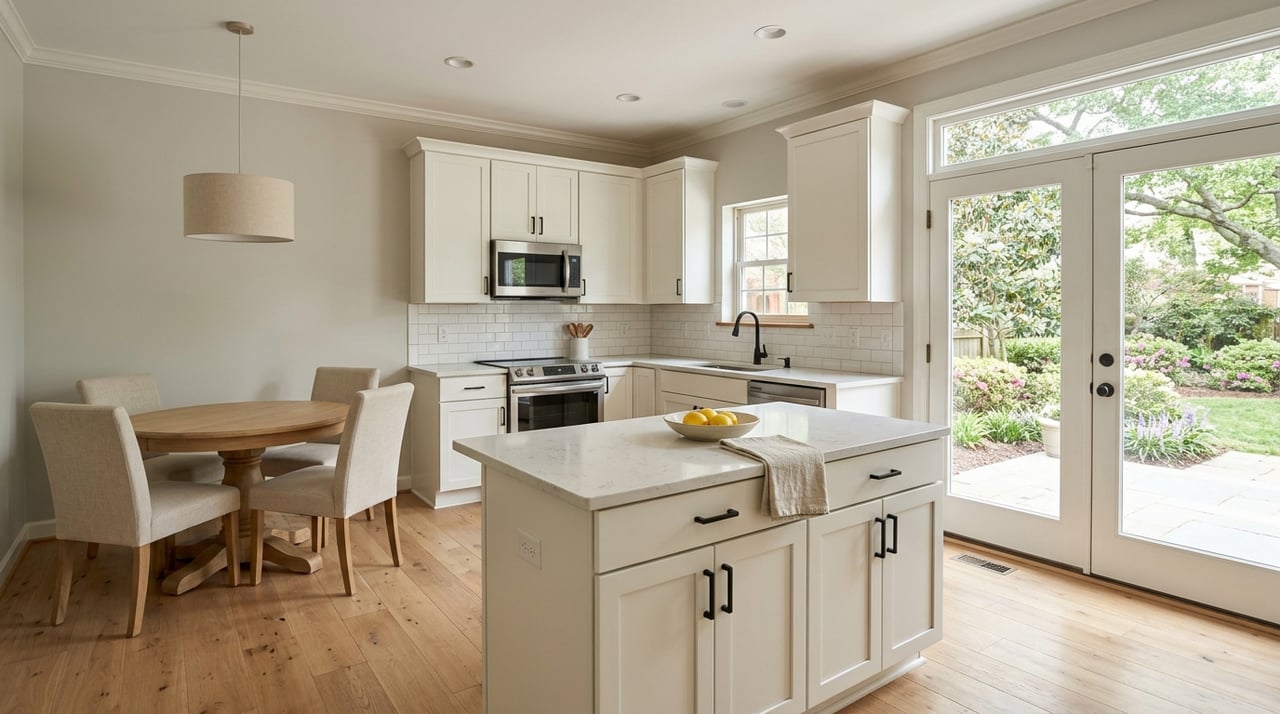
Shreveport offers a broad mix of housing styles, which is part of its appeal. You can find historic architecture near the city’s core, more convenience-oriented areas near shopping and services, and neighborhoods with different levels of density and character.
For buyers thinking about affordability, the Census QuickFacts page lists a median owner-occupied home value of $178,900. That number does not define every neighborhood or price point, but it does offer helpful context if you are comparing Shreveport with other cities.
Historic Neighborhood Character
If you love older homes and established streetscapes, Shreveport has several areas worth exploring. The Visit Shreveport-Bossier communities and districts guide describes Fairfield Historic District as home to some of the city’s oldest houses, with architectural styles that include Victorian, Queen Anne, Eclectic Revival, American Four Square, and bungalow homes.
Highland Historic District is also known for older residential architecture. National Register documentation notes a strong concentration of Queen Anne and bungalow/craftsman forms, giving the area a distinct historic identity.
South Highlands offers another well-known historic setting. According to National Park Service documentation for South Highlands Historic District, much of the district developed in the 1910s and 1920s and includes Craftsman/Bungalow and Colonial Revival styles, along with large lots and a strong early-20th-century residential character.
Downtown and Urban Core Living
If you want to be closer to the center of the city, downtown Shreveport offers a more compact urban environment. The National Register documentation for Downtown Shreveport Historic District describes it as a tightly packed historic commercial core with late-19th- and early-20th-century buildings.
That setting can appeal to buyers who value proximity to downtown events, local businesses, and a more traditional city center. It also adds to Shreveport’s sense of place, especially for anyone who appreciates historic architecture and walkable pockets of activity.
Convenience-Oriented Areas
Shreveport also includes neighborhoods and corridors that are more centered on access and convenience. The tourism bureau highlights the Line Avenue and Pierremont area as a five-mile shopping and dining strip, and local coverage points to areas like Shreve City and Broadmoor as recognizable parts of the city’s everyday social map.
For many buyers, that mix is appealing. You can choose between historic character, a central location, or easier access to shopping, dining, and major roads depending on what matters most in your routine.
Getting Around Shreveport
Driving is the main way most people get around Shreveport. Major highways in the area include I-20, I-49, and I-220, which help connect different parts of the city and the wider Shreveport-Bossier region.
That said, public transit is more established than some out-of-town buyers expect. The city’s transportation information page notes that SporTran’s 2026 route list includes routes such as Highland, Line Ave., Downtown Circular, West Shreveport, East Bossier, North Bossier, and the Bossier Connector, along with OnDemand service.
For you as a buyer, transportation options matter because they shape your day-to-day experience. Even if you plan to drive most of the time, it helps to know the city has multiple ways to connect key areas.
Commuting to Barksdale AFB
For military households and defense-connected buyers, Shreveport can be a practical option when you are considering access to Barksdale Air Force Base. The base’s official gate-hours page shows four gates, including the West Shreveport gate at the end of the Shreveport-Barksdale Bridge, along with North Bossier and East Gate access.
That setup means both sides of the river may be worth considering, depending on your work schedule, preferred route, and comfort with bridge traffic. If you are relocating on a tight timeline, understanding gate access early can make your home search more focused and less stressful.
Outdoor Options in and Around Shreveport
If outdoor time matters to you, Shreveport has several notable options. According to the Visit Shreveport-Bossier outdoor guide, the area includes the 11.1-mile Clyde Fant Bike Trail, the 9.2-mile Arthur Ray Teague Multi-Use Trail, Caddo Common Park, and the Red River National Wildlife Refuge.
These spaces give you different ways to enjoy the area, whether that means biking, walking, spending time near the river, or visiting natural areas with free sunrise-to-sunset access. That variety adds balance to daily life and gives residents practical ways to get outside without leaving the metro.
Food, Arts, and Entertainment
Lifestyle in Shreveport is shaped in a big way by food, music, and local events. The local tourism bureau describes the dining scene as a mix of Cajun, Creole, and Southern traditions, and annual 318 Restaurant Week coverage from Visit Shreveport-Bossier highlights the region’s range of restaurants and dining events.
The same source points to destinations like Marilynn’s Place in Highland, Orlandeaux’s Cross Lake Café, the Red River District, and Bossier City’s East Bank District. For residents, that means you have local options for casual meals, special outings, and event-driven weekends across both sides of the river.
Arts and attractions are another part of the local rhythm. The city’s official community page highlights places such as Municipal Auditorium, Shreveport Aquarium, Sci-Port Discovery Center and IMAX, R.W. Norton Art Gallery, the Louisiana State Exhibit Museum, the Spring Street Historical Museum, and the Shreveport Symphony Orchestra.
Festivals and Community Events
If you enjoy a city with a recurring event calendar, Shreveport has several signature traditions. The city notes that the Red River Revel brings a major downtown arts festival with about 80 artists and more than 60 performances.
The Highland Jazz & Blues Festival adds another recurring event centered in historic Highland. Mardi Gras is also a major local tradition, with a parade route that runs through downtown, Clyde Fant Parkway, Shreve City, and Broadmoor.
These events help shape what it feels like to live in Shreveport throughout the year. They add seasonal energy and give residents familiar local traditions to look forward to.
Who Might Enjoy Living Here
Shreveport can appeal to different types of buyers for different reasons. You might appreciate it if you want a mid-sized city with a mix of historic neighborhoods, relatively short commute times, and access to dining, arts, and outdoor spaces.
It may also be a strong fit if you need practical access to Bossier City or Barksdale Air Force Base. For many households, the biggest draw is the balance between everyday convenience and local character.
Final Thoughts on Shreveport Living
Living in Shreveport often means having options. You can explore historic districts, spend time along the river, enjoy local restaurants and festivals, and still keep most daily trips within a manageable drive.
If you are trying to decide where you fit best within Shreveport or the larger Shreveport-Bossier area, local guidance can make the process much easier. When you are ready to talk through neighborhoods, commute priorities, or the kind of home that matches your lifestyle, connect with Sage Easter for clear, local insight and steady support.
FAQs
What is daily life like in Shreveport, Louisiana?
- Daily life in Shreveport tends to feel manageable, with relatively short commute times, road access through major highways, and a mix of historic areas, shopping corridors, and local events.
What types of homes can you find in Shreveport, Louisiana?
- Shreveport offers a range of homes, including historic properties in areas like Fairfield, Highland, and South Highlands, as well as homes near retail, dining, and major commuter routes.
Is Shreveport, Louisiana a good option for Barksdale AFB commuters?
- Shreveport can be a practical option for Barksdale AFB commuters because the base includes a West Shreveport gate near the Shreveport-Barksdale Bridge, along with other gate access points in the area.
What are some things to do in Shreveport, Louisiana?
- Popular local activities include exploring trails, visiting museums and arts venues, dining across Shreveport-Bossier, and attending events like Red River Revel, Highland Jazz & Blues Festival, and Mardi Gras celebrations.
How big is Shreveport, Louisiana?
- Shreveport had an estimated population of 176,578 in July 2024, while the broader Shreveport-Bossier metro is described as having about 350,000 residents.