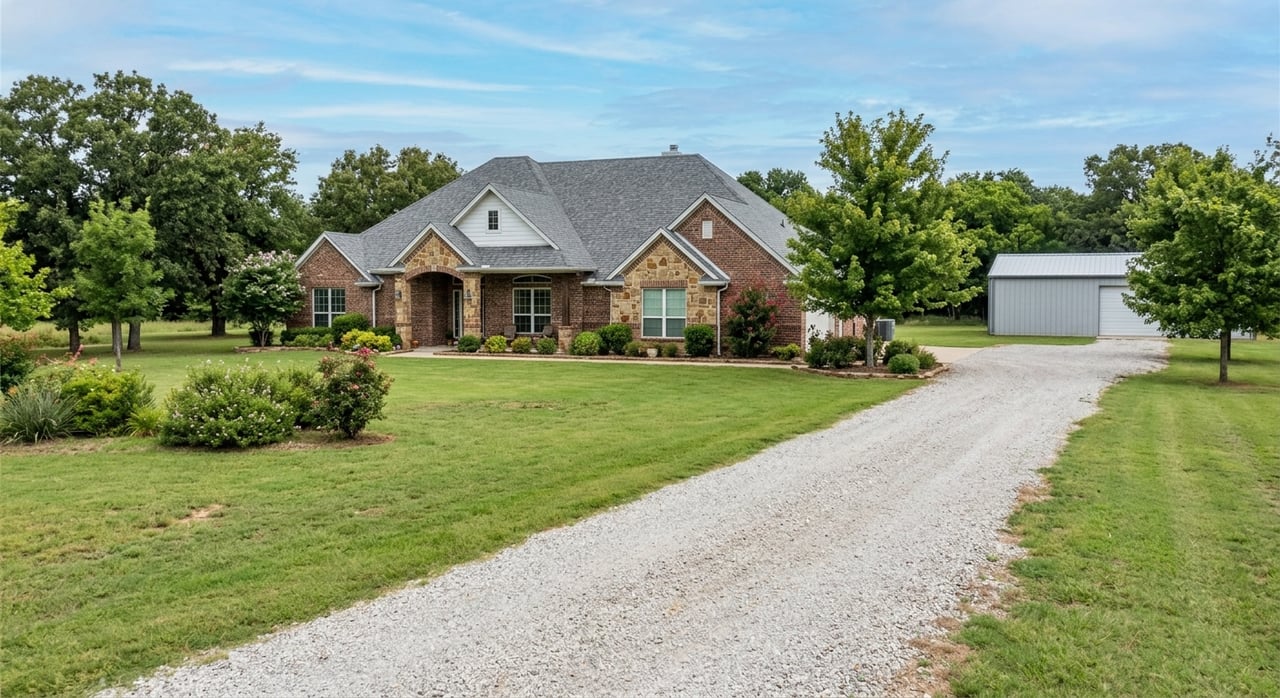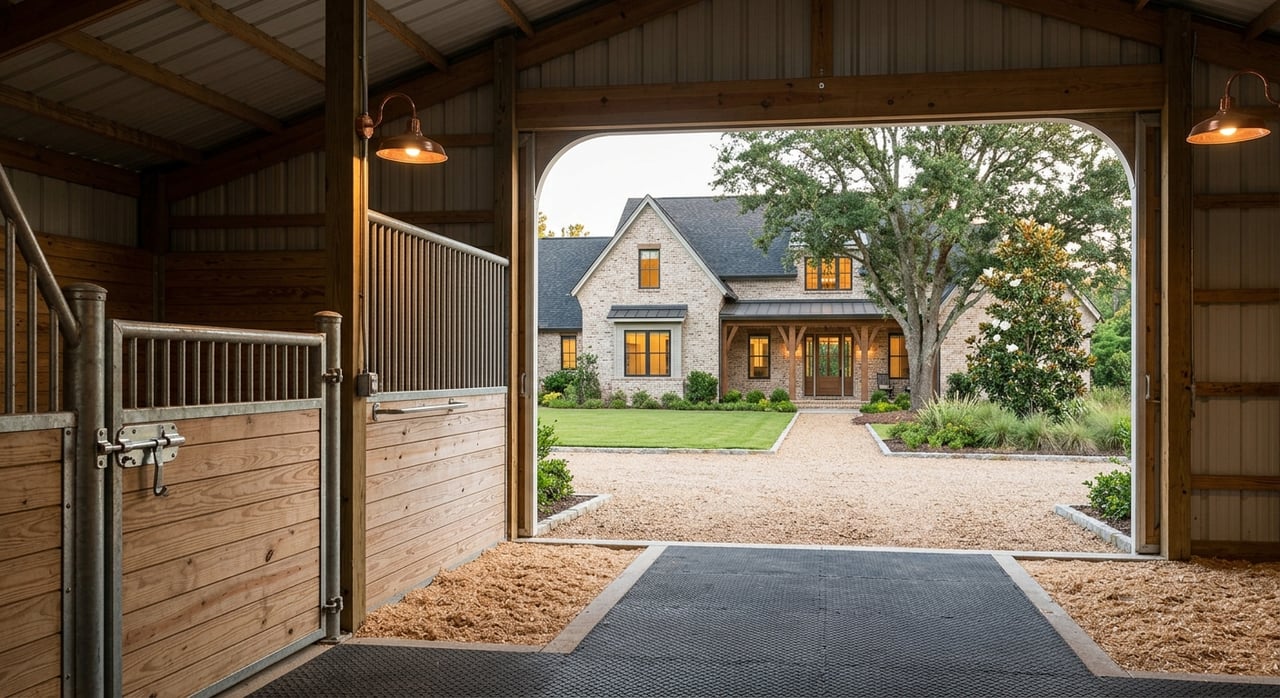
Dreaming about more space in Benton? Acreage and horse property can offer room to breathe, room to build, and room to live differently, but they also come with more moving parts than a typical subdivision purchase. If you are considering land, a home on acreage, or a property for horses, it helps to know what to verify before you fall in love with the setting. Let’s dive in.
Why Benton acreage needs extra homework
Buying acreage in Benton is not just about the house. In many cases, it is also about how the land can be used, what can be added later, and whether the property supports your day-to-day plans.
The Benton land-use framework involves both the Town of Benton and the Benton Metropolitan Planning Commission, or MPC. The MPC covers the town and the unincorporated area within five miles of it, and its review process looks at items like authorized uses, setbacks, lot coverage, height, density, drainage, and utility easements.
That means acreage should be treated more like a land-use project than a simple home purchase. If you want a barn, workshop, fence, paddock, or even a second structure later, those details can affect the approval path from the start.
Know where the property sits
One of the first questions to answer is whether the parcel is inside Benton town limits or in the Benton MPC area outside town. That distinction can shape what review process applies and what development details need to be confirmed.
Bossier Parish records show that most physical development in unincorporated areas needs a site or sketch plan before a permit is issued. Review may involve building codes, stormwater, flood control, driveway standards, parking, and public-improvement requirements.
For buyers, the practical takeaway is simple: location on the map matters in more ways than commute time. It can affect permits, utilities, lot setup, and what you may be able to do with the property in the future.
Check zoning and intended use early
With acreage, zoning should be one of your first due diligence steps. Benton’s planning approval process asks for existing and proposed zoning, acreage or square footage, intended use, drainage information, flood classification if applicable, adjacent-owner notification, and a legal description.
That tells you something important right away. Local review is looking beyond the current house and considering how the property functions as a site.
If your goal is to keep horses, build a shop, add fencing, or create space for equipment and trailers, those plans should be discussed early. Waiting until after closing can create surprises that might have been spotted in advance.
Deed restrictions can still limit your plans
Even if zoning seems to allow your intended use, private restrictions may still matter. Parish records show that zoning approvals do not override restrictive covenants.
In plain terms, a property can be zoned for a use and still be limited by deed restrictions or subdivision rules. That is why acreage buyers should review both public rules and private restrictions before moving forward.
This matters especially if you are counting on outbuildings or animal-related improvements. A legal right in one layer does not always mean a clear path in every layer.
Utilities can make or break usability
A beautiful tract is not always a practical tract. One of the biggest questions with Benton acreage is whether public water and sewer are available, or whether the property will need a private well and onsite wastewater system.
The Town of Benton provides water and sewer service to both inside-town and outside customers, but its published service area is limited. The town also notes a $1,200 assessment fee per new connection.
That means two nearby properties can feel similar on paper but function very differently in real life. One may be able to connect to town utilities, while another may need a completely different setup.
If there is no public sewer or water
If public service is not available, buyers need to think through both wastewater and water supply. Louisiana’s Onsite Wastewater Program states that parish sanitarians handle the local permitting system for onsite sewage.
Private wells are also the owner’s responsibility. Louisiana Department of Health guidance notes that while public water systems are tested, private-well owners are responsible for sampling and maintenance.
This is one reason acreage purchases need more investigation than a standard neighborhood home. Utility questions affect cost, placement, future improvements, and long-term upkeep.
Access and driveway details matter
On rural and semi-rural property, getting to the homesite is part of the due diligence process. Benton posts a culvert permit application among its forms, which is a good reminder that driveway and drainage access can be a separate issue.
If the lot looks easy to access from the road, that does not always mean the driveway setup is fully straightforward. Drainage patterns, ditch crossings, and permit steps can all affect how the property functions.
This is especially important if you plan to bring in trailers, farm equipment, or building materials. Easy daily access is not just a convenience. It is part of whether the land truly fits your lifestyle.
Drainage and flood status deserve close attention
Drainage is a major issue on acreage, and Benton’s planning packet specifically requires a drainage plan. If the property is in a floodplain or flood zone, the plat must also show the current FEMA flood classification.
For buyers, that means flood and drainage review should not be treated as a last-minute box to check. It should be part of the first round of evaluation.
Low spots, standing water, runoff patterns, and the buildable area of the lot all affect how useful the property will be over time. They can also affect where a house, barn, paddock, workshop, or driveway should go.
Horse property is a function, not a label
In Benton, a listing may call itself horse property, but the better question is whether the land truly supports horse ownership. LSU AgCenter guidance says a horse typically needs at least 2 acres of pasture for a grazing season, along with shelter, tack and feed storage, a wash area, and trailer access.
That makes horse property less about marketing language and more about daily usability. A pretty field is not enough if the layout does not support care, movement, storage, and routine maintenance.
If you plan to keep one or more horses, the property should work as a system. Pasture, shelter, access, drainage, and maintenance space all need to fit together.
Pasture quality matters as much as size
Acre count alone does not tell the whole story. LSU AgCenter recommends soil testing, retesting every two to three years, and grazing management to avoid overuse.
The same guidance notes that limited acreage is a common overgrazing problem for owners with one or two horses. So even if a property technically has land, the condition and management of that pasture still matter.
This is why horse buyers should look closely at how the ground has been used, how water moves across it, and whether the setup supports long-term pasture health. A usable horse property should work next month and years from now.
Barn and paddock placement is a planning issue
If you are thinking about adding or improving equestrian structures, placement matters. LSU AgCenter recommends reviewing drainage patterns and soil types before building barns, stables, and paddocks, avoiding drainage swales and poorly drained areas, and placing structures on higher ground when possible.
The guidance also recommends stormwater controls like gutters, downspouts, and splash blocks to reduce mud and runoff. These are practical details that can make daily chores easier and help protect the property over time.
In other words, where you put the barn is not just a design choice. It is a maintenance and land-performance decision.
Manure and mud management are part of ownership
Horse ownership includes daily care and regular maintenance. LSU AgCenter also warns that mud and manure runoff can affect nearby waterways and groundwater, which means pasture layout, sacrifice areas, and manure control are important parts of the property setup.
That may not be the exciting side of buying horse property, but it is part of what makes a place functional. A property that is harder to manage can become more expensive and time-consuming after closing.
When touring acreage, it helps to think beyond the home itself. Ask how the property will handle rain, routine cleanup, feeding, storage, and movement through all seasons.
A smart Benton acreage checklist
Before you buy acreage or horse property in Benton, try to confirm these points:
- Whether the parcel is inside Benton town limits or in the Benton MPC area
- Existing zoning and whether your intended use fits the property
- Whether any restrictive covenants or deed restrictions apply
- Availability of public water and sewer
- If no public service exists, whether onsite wastewater and private-well plans are feasible
- Floodplain or flood-zone status and current FEMA classification
- Drainage patterns, low areas, and likely building locations
- Driveway access, culvert needs, and trailer or equipment access
- Placement options for barns, workshops, fences, paddocks, or other structures
- Whether the pasture, layout, and maintenance needs truly support horses
Why local guidance helps on nonstandard properties
Acreage purchases often involve more questions than a standard resale home. You are not just evaluating bedrooms and finishes. You are also looking at land use, utility options, access, drainage, and long-term fit.
That is where local experience can make the process feel much more manageable. When a property has more layers, it helps to work with someone who understands how Benton buyers typically evaluate these questions before they become problems.
If you are considering acreage or horse property in Benton, Sage Easter can help you think through the practical side of the search and find a property that truly fits how you want to live.
FAQs
What should you check before buying acreage in Benton?
- You should verify the parcel location, zoning, deed restrictions, utility availability, flood status, drainage, access, and where future structures could go.
What makes horse property in Benton functional for daily use?
- A functional horse property should have enough pasture, workable drainage, shelter space, feed and tack storage, wash area access, and room for trailers and routine care.
Can zoning approval in Benton override deed restrictions?
- No. Parish records show zoning approvals do not override restrictive covenants, so private restrictions can still limit your plans.
How do utilities affect acreage purchases in Benton?
- Utilities can shape cost and usability because some properties may have access to Benton water and sewer service while others may need a private well and onsite wastewater system.
Why does flood and drainage review matter on Benton acreage?
- Flood and drainage conditions can affect buildable area, structure placement, driveway design, and how practical the property is over time.
What should you ask about barns or workshops on Benton acreage?
- You should ask whether zoning compliance, site-plan review, drainage, setbacks, and any private restrictions could affect where those structures can be placed.